
Clear, written findings
A report that documents locations, conditions, and any testing performed so you can make decisions without relying on memory or verbal summaries.
Serving Lancaster, California & surrounding areas
24/7 Emergency Response
Get clear answers fast with a certified inspection, moisture-focused testing, and a written report you can use for next steps with your property, your contractor, or your landlord.
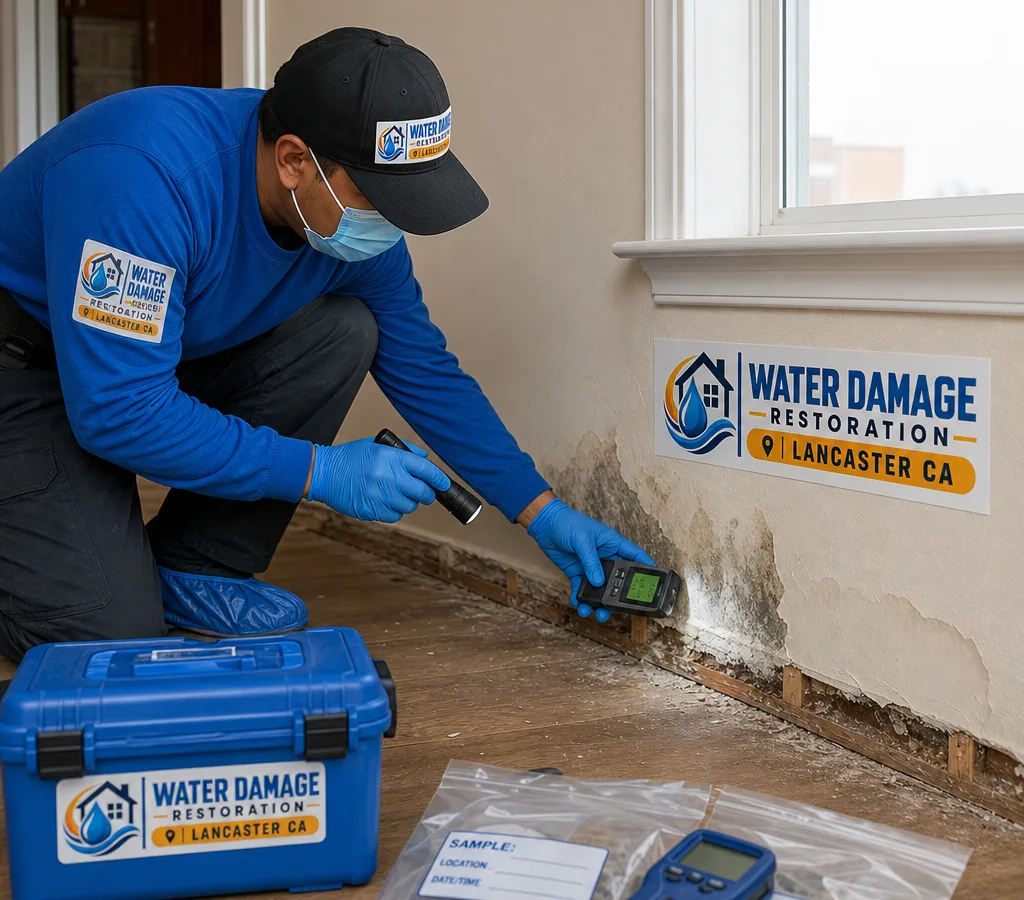
If you are searching for mold inspection Lancaster CA, you usually want one thing: a dependable answer about whether mold is present, where it is, and what conditions are allowing it to grow.
Schedule an inspection when you notice any of the following:
Lancaster homes often deal with big temperature swings and heavy HVAC use. That combination can create condensation in closets, around supply registers, and in other low-airflow areas. Our inspections focus on moisture first, because moisture is the driver for mold growth.
A reliable inspection is more than a quick look at a wall. Our process is built around identifying the moisture source, documenting conditions, and collecting the right samples when sampling is warranted.
Typical scope includes:
You receive a written report explaining what was observed, where moisture was detected, what samples were taken, if any, and practical next-step guidance. If your situation started with a leak or flooding, our team at Water Damage Restoration Lancaster CA can also help coordinate immediate steps that prevent conditions from getting worse while you plan the long-term fix.
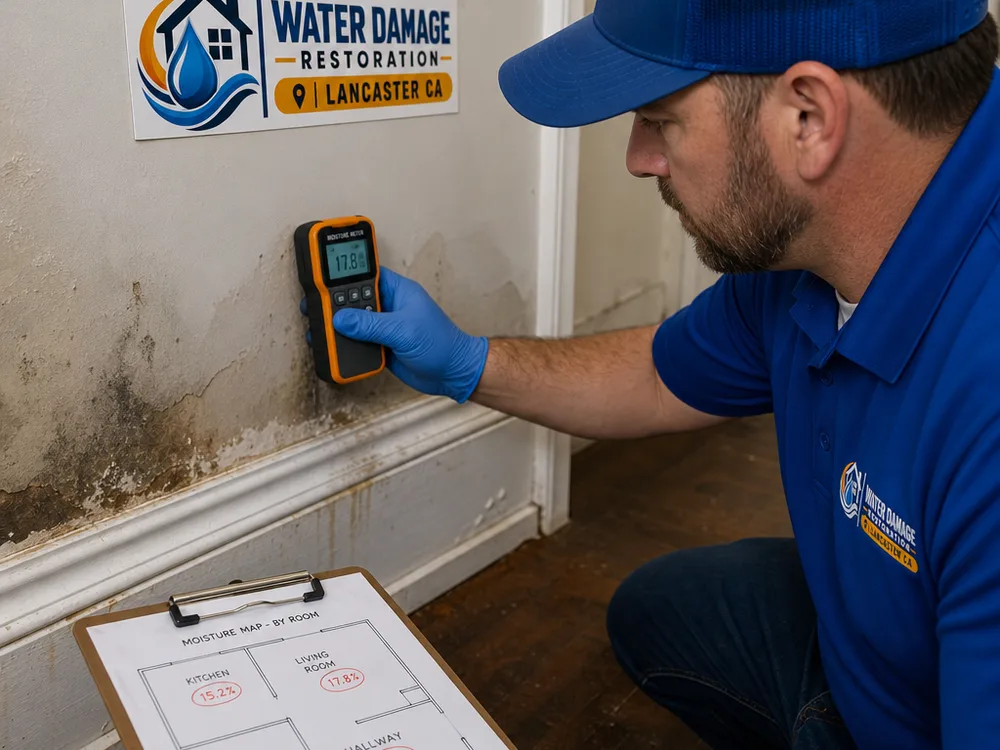
A report that documents locations, conditions, and any testing performed so you can make decisions without relying on memory or verbal summaries.
We prioritize identifying where moisture is coming from, because cleaning or painting without fixing moisture leads to repeat problems.
Sampling is helpful when it answers a specific question. We avoid unnecessary tests and focus on what supports a sound plan.
If you are buying or selling, you get organized notes and photos that are easy to share with the parties involved.
Next steps are explained in plain language: what should be corrected, what should be monitored, and what to do if additional investigation is needed.
A focused sequence turns your concerns into documented findings and a practical plan.
We start with what you have noticed—odor, staining, symptoms, or a known leak—and what you need the inspection to answer, such as confirmation, documentation, or clearance planning.
We inspect the areas you are concerned about, then check surrounding zones that commonly share the same moisture pathway, including adjacent rooms, shared plumbing walls, and nearby exterior walls.
If sampling helps clarify conditions, we collect air and/or surface samples using clean handling and proper labeling so results are meaningful and traceable.
You get a written report that ties observations to locations and explains likely contributors such as leaks, condensation, or ventilation issues. We outline practical next steps based on what we found.
Mold inspection in Lancaster typically ranges from about $250 to $650 for most residential visits, with larger homes or more complex investigations running $650 to $1,200+. A basic visual inspection with moisture readings often sits at the low end, while inspections that include multiple air or surface samples and more time on-site trend higher.
Price depends on home size, number of areas of concern, accessibility such as an attic or crawl space, how many samples are needed, and whether prior water damage complicates the investigation. Your exact cost is confirmed after the on-site evaluation and the testing plan is agreed to.
Mold can grow anywhere moisture lingers, even when the area looks clean. In Lancaster, we frequently focus on patterns tied to HVAC use, bathrooms, and exterior-facing walls.
Request Emergency ServiceAreas that often deserve a closer look:
Bathrooms: around tubs, showers, and toilet bases, especially when ventilation is weak or a fan is undersized.
Under sinks and behind cabinets: slow supply-line drips and drain leaks can stay hidden for weeks.
Laundry rooms: standpipe backups, hose failures, and condensation behind stacked units.
Closets on exterior walls: low airflow combined with cooler wall surfaces can allow condensation.
Around windows: failed caulk, older seals, or condensation can wet sills and drywall edges.
Attics and crawl spaces: roof leaks, duct sweating, and poor ventilation can create localized growth.
If you suspect mold, avoid disturbing the area. Scrubbing or running fans can spread spores and can also remove evidence you may need documented. An inspection is meant to answer what is present and why it is happening, so the fix is based on facts.
“We had a musty smell that kept coming back. The inspector found elevated moisture behind the vanity and explained exactly what it meant, what needed to be repaired, and what to watch for afterward. The report was straightforward and helped our plumber understand what to open up.”
“Buying a home made us nervous about hidden issues. The inspection was thorough, and the photos plus moisture readings gave us confidence about what was real and what was just old staining.”
Most mold inspections take about 60 to 120 minutes on site, depending on home size and how many areas need moisture mapping or sampling. If we need to check an attic or crawl space, or if there are multiple suspect rooms, plan for a longer visit so findings can be documented properly.
Air testing is useful when it answers a specific question, such as validating a musty odor, comparing a suspect room to a control area, or documenting conditions for a real estate or landlord situation. If there is visible growth and a clear moisture source, a careful visual inspection with moisture readings may be the most practical first step, with sampling added only when it changes the decision.
Yes, and odor-only situations are a common reason to schedule mold inspection in Lancaster, CA. We focus on moisture mapping and likely hidden areas behind cabinetry, around plumbing walls, and under flooring edges, and may recommend targeted sampling to help confirm whether the odor correlates with elevated airborne spores.
Leave suspect areas as-is, avoid heavy cleaning with bleach or strong chemicals, and keep pets out of the rooms being inspected if possible. If you can safely clear light clutter from under sinks or in the laundry area, it helps access; do not move wet or contaminated materials around the home.
The inspection identifies likely moisture contributors, documents affected areas, and outlines next steps such as repairs, drying, containment, and whether professional remediation is appropriate. The exact fix depends on what is driving moisture, so the report is written to support the right trade doing the right work.
Post-remediation verification is available when you want confirmation that conditions are back to normal after cleanup and repairs. The goal is to verify the area is dry, visually clean, and that any agreed-upon sampling results support a successful outcome before walls are closed or the space is returned to normal use.
Yes. We document observations, moisture readings, photos, and any sampling performed in a written report suitable for shared review. For rental situations, we also pay attention to ventilation, bathroom moisture control, and recurring condensation patterns that can affect how responsibilities are addressed.
Tell us what you are noticing and where. We will schedule an inspection, document what is going on, and give you a written plan you can act on.