
Written scope before removal
You see what areas are included, what materials are affected, and what the finished condition will be before any demo starts.
Serving Lancaster, California & surrounding areas
24/7 Emergency Response
If you smell musty odors, see staining, or had recent water intrusion, our certified team can inspect, contain, remove, and restore the affected areas with clear scope and documentation.
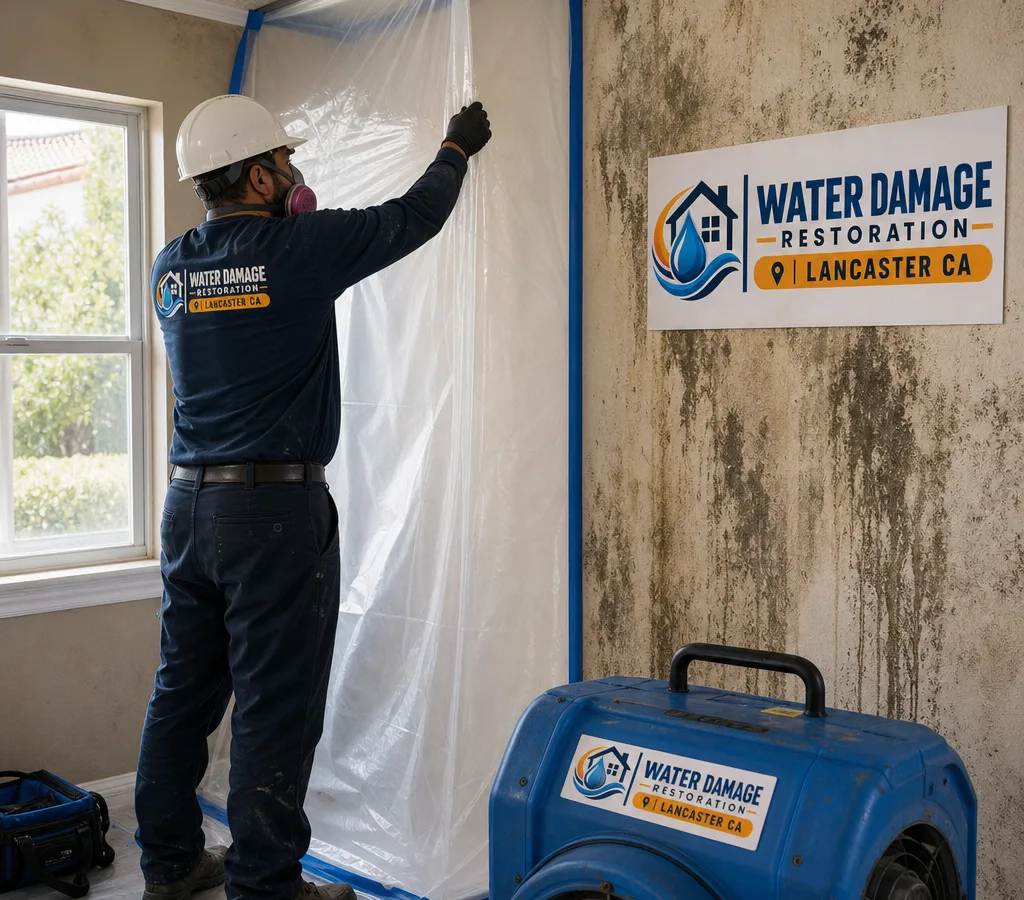
Mold removal in Lancaster, CA is rarely just a surface cleaning problem. Mold grows when building materials stay damp long enough, so lasting results come from finding where the moisture is coming from, isolating the work area, and physically removing contaminated materials or residues.
At Water Damage Restoration Lancaster CA, our mold work is built around jobsite control and practical restoration: inspection, containment, safe removal, HEPA filtration, and repairs that put the space back into use. If your issue began with a leak or flooding, many clients start by addressing the moisture event first; our team also handles water damage restoration so the drying and the mold plan stay coordinated.
You will get a clear written scope before work begins. That scope typically covers where mold is present, what materials are affected, what needs to be removed versus cleaned, and what the post-remediation condition will be—for example, cleaned and ready for primer and paint, or drywall replaced and ready for texture.
A professional mold remediation plan focuses on preventing cross-contamination and removing what cannot be cleaned. For most homes and rentals, that means:
Lancaster's hot, dry stretches can hide problems because surfaces dry while cavities stay damp. If odors repeat after a leak, discoloration returns after wiping, or symptoms flare when the AC runs, it is worth inspecting behind the visible surface.
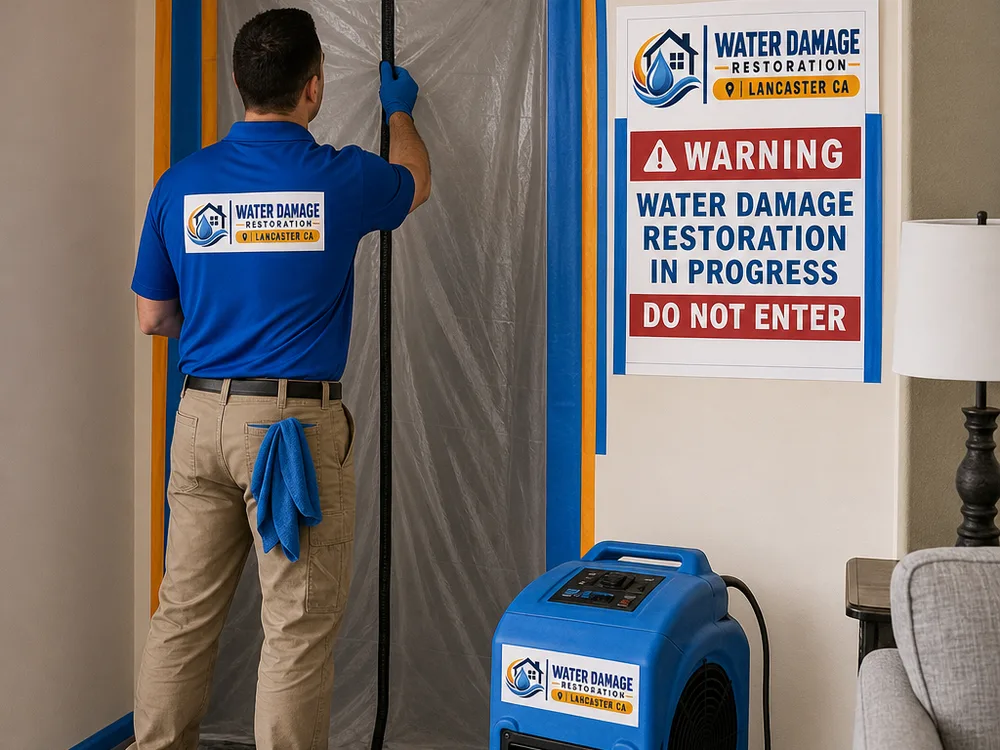
You see what areas are included, what materials are affected, and what the finished condition will be before any demo starts.
We treat mold like a contamination project: isolate the work area, protect adjacent rooms, and maintain clean pathways.
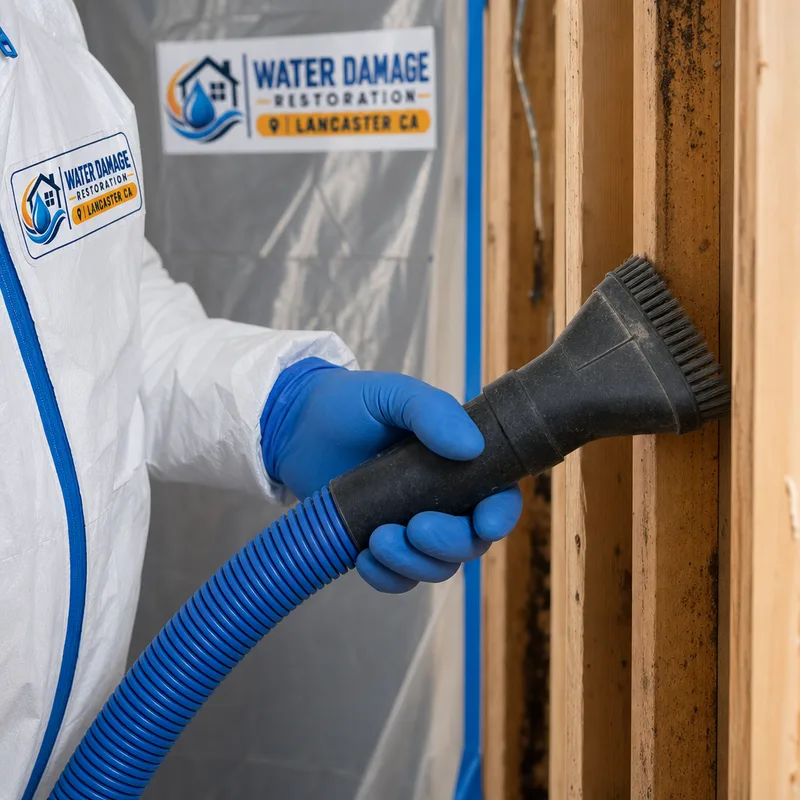
HEPA filtration and HEPA vacuuming are standard tools for reducing airborne particulate during cleaning and demo.
Removal without fixing the water source leads to repeat growth. We document likely sources and recommended corrections.
When walls or ceilings must be opened, we can coordinate the rebuild so the property can return to normal use.
We plan access, noise, and work hours around households and tenants, with jobsite cleanliness as a priority.
A controlled sequence moves the project from inspection and isolation through removal, verified conditions, restoration, and closeout.
We assess visible growth, likely hidden areas, and moisture conditions. You receive a plan that explains containment level, cleaning versus removal, and restoration needs.
We build containment, protect floors and adjacent surfaces, and set up negative air with HEPA filtration to reduce migration of dust and spores.
Contaminated porous materials are removed as needed. Remaining structural materials are HEPA vacuumed and cleaned using methods appropriate to the surface and condition.
We correct damp conditions with dehumidification and airflow when applicable. Moisture checks confirm materials are trending dry before closing cavities.
If the project includes rebuild, we restore drywall, trim, and finish readiness. You receive closeout notes so you know what was done and why.
Mold removal in Lancaster typically ranges from about $1,000 to $3,500 for a small to mid-size, contained area, while larger projects that involve multiple rooms, extensive demolition, or HVAC-related contamination can run $4,000 to $10,000+.
Your price depends on how far the growth extends, what materials are affected, access to attics or tight crawl spaces, the containment level needed, and whether restoration is included. The exact cost is confirmed after an on-site inspection and written scope.
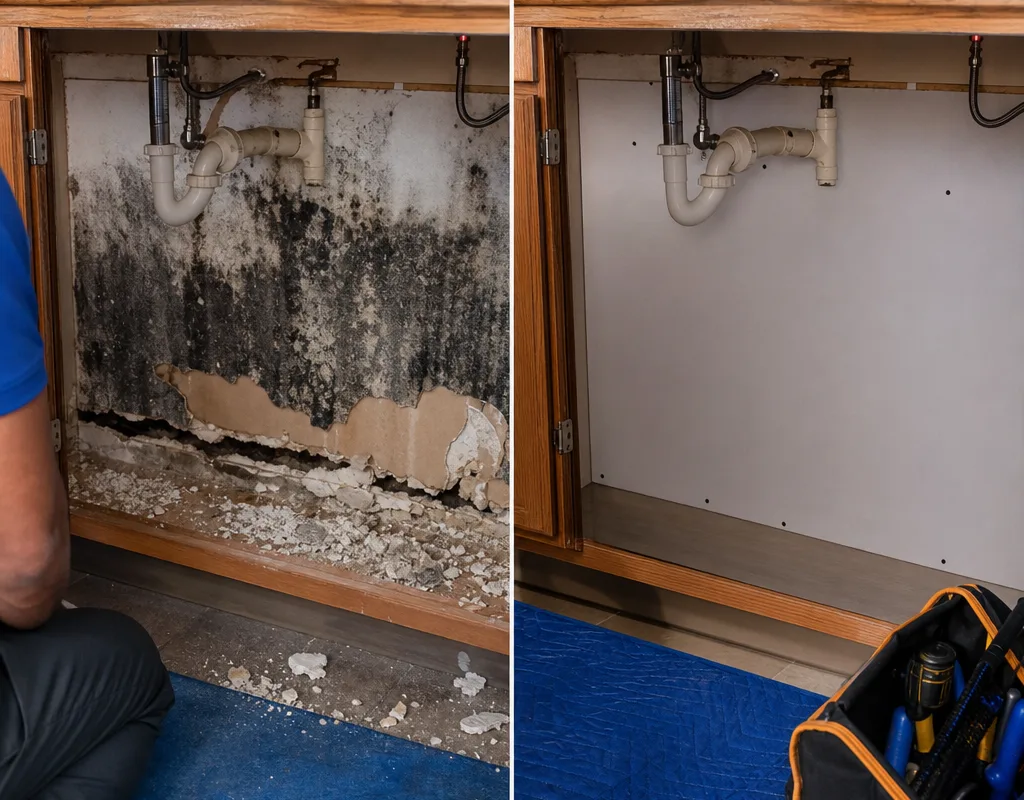
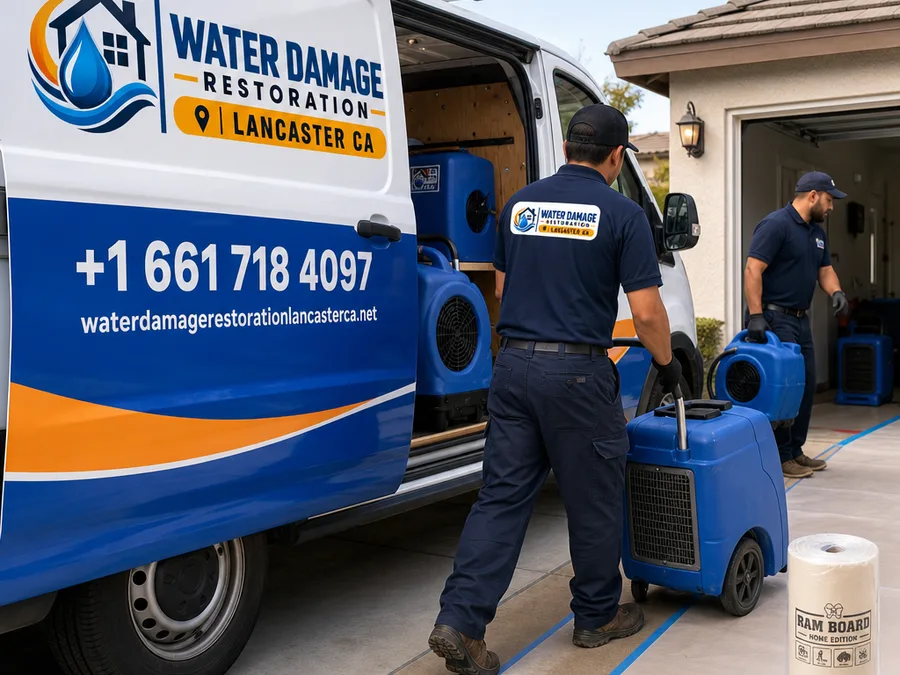
If you are dealing with odors, visible growth, or a recent leak, the next step is a site inspection so you can get a written scope, timeline, and a plan that addresses the moisture source.
Scheduling depends on current demand and the size of the affected area, but mold projects are typically prioritized when there is active moisture, visible spread, or a real estate or tenant deadline. After you share the address and what happened, we can propose the soonest inspection window and outline what can be done immediately to limit spread until remediation starts.
You do not need separate companies if you want one coordinated plan, because mold and moisture are linked. If your mold started after a water event, combining drying and remediation reduces the chance that wet materials get sealed back up. When appropriate, we can coordinate water damage cleanup so drying targets and removal decisions match the same scope.
If mold is on porous materials or has penetrated them, removal is often the correct approach because those materials cannot be reliably cleaned to a stable condition. Drywall, insulation, and carpet pad are common examples. If growth is limited to non-porous surfaces, cleaning with proper containment and HEPA filtration may be enough, and we will spell that out in the written scope.
Many occupied homes can remain in place when the work is properly contained and the affected area is isolated, but it depends on the location, the size of the work zone, and household sensitivities. We review access routes, ventilation, and whether temporary relocation is the safer choice for infants, elderly occupants, or anyone with respiratory conditions.
Sampling can be used when a third-party report is needed for a transaction, a property management file, or to help clarify an uncertain situation, but the remediation plan still comes from visible conditions and moisture findings. If testing is requested, we can discuss whether it should be performed by an independent indoor environmental professional so the results remain impartial.
We frequently see issues around bathrooms, kitchens, laundry areas, and any room where a past leak went unnoticed long enough to wet drywall or baseboards. Attics and wall cavities can also be affected after roof leaks. The inspection focuses on where moisture could be trapped, not only where staining is visible.
Tell us what you are seeing and what caused it, and we will schedule an inspection, explain the containment level, and provide a written scope for mold removal and restoration in Lancaster.