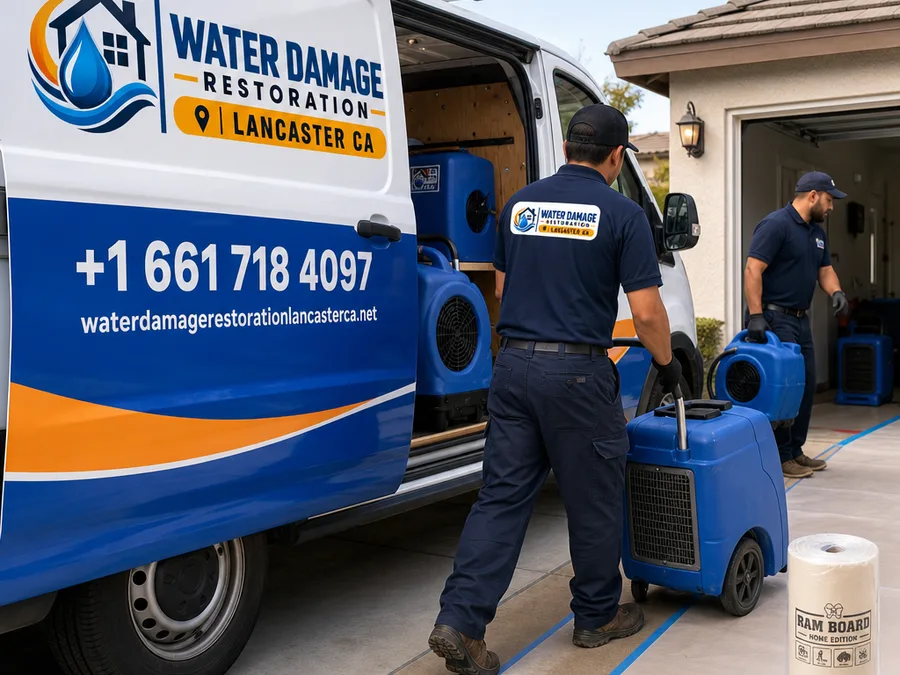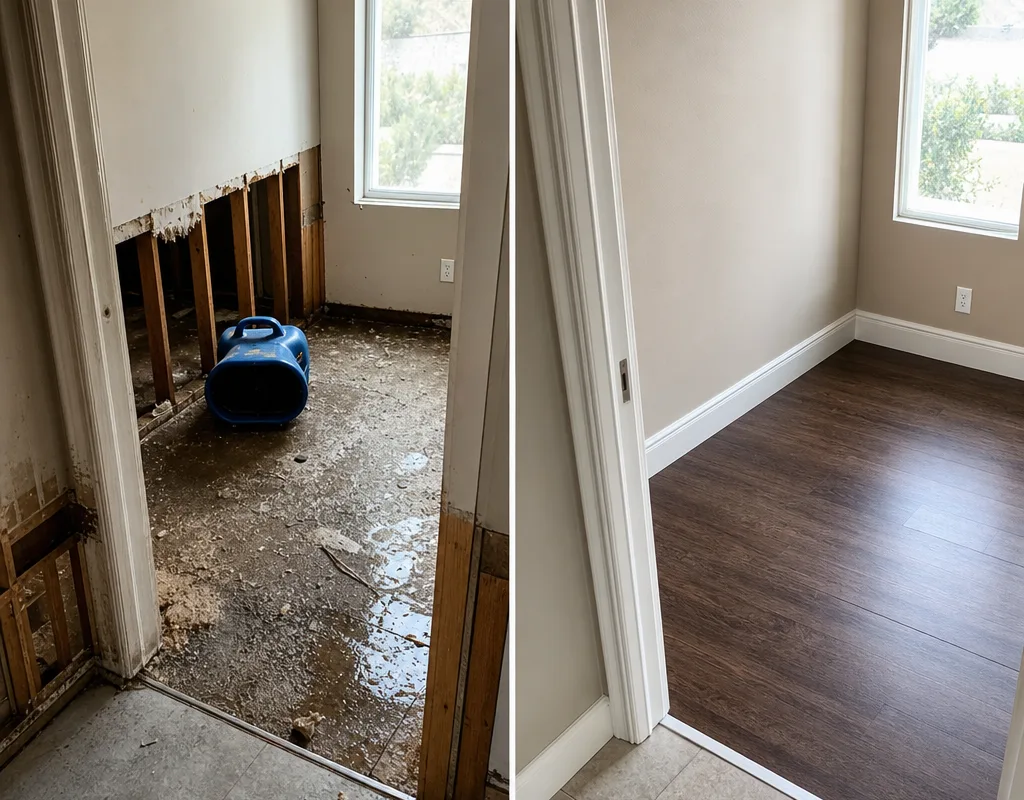
Written scope, before demolition
We identify affected areas, explain what can be dried in place versus what must be removed, and outline the steps so you can make informed decisions.
Serving Lancaster, California & surrounding areas
24/7 Emergency Response
When damage happens, you need a clear plan fast: inspection, containment, drying, cleanup, and repairs coordinated by one local team with insurance-ready documentation.
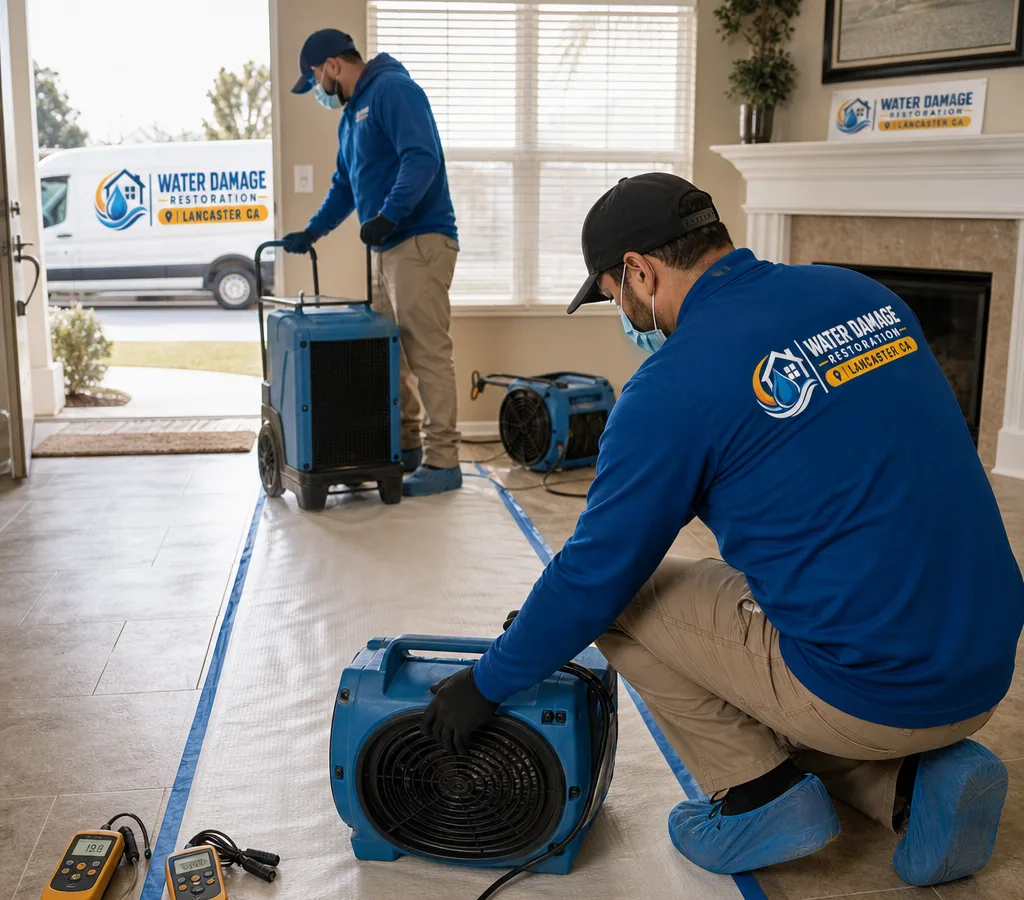
If you searched restoration Lancaster, you are usually dealing with a property that cannot be used normally until the damage is stabilized and the space is made safe again. Restoration is the full path back to a clean, dry, functional interior. That often includes emergency mitigation, detailed moisture checks, controlled drying, material removal when needed, cleaning and deodorizing, and rebuild work to return surfaces to pre-loss condition.
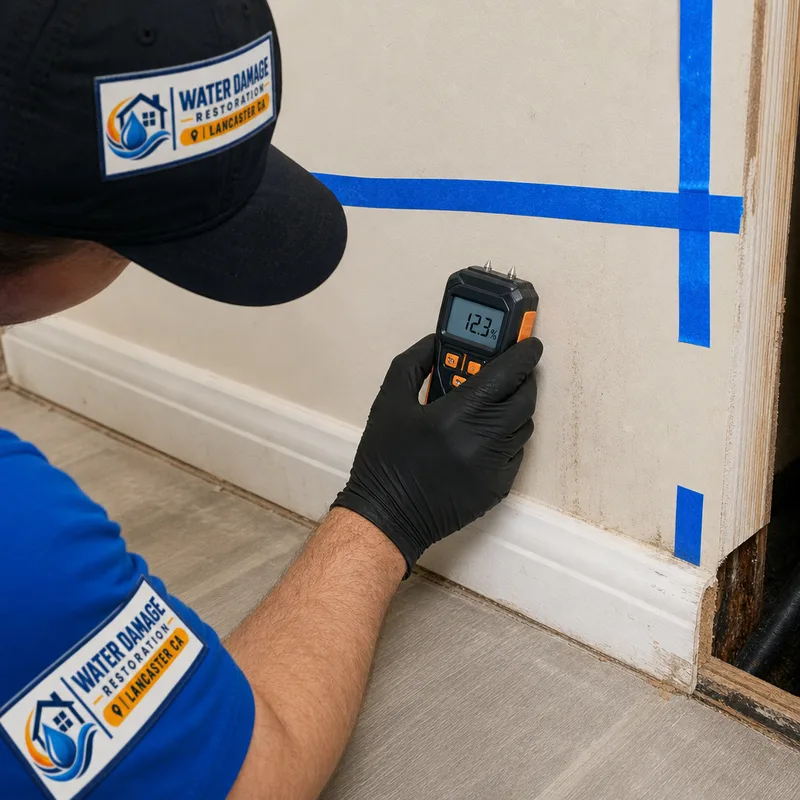
In Lancaster, fast drying matters because indoor conditions can change quickly once HVAC is running and doors are being opened and closed. A wet wall cavity or a saturated slab edge can hold moisture long after the visible water is gone. Our approach is to document what is wet, dry it with the right equipment, and prove dryness with readings, not guesswork.
Water Damage Restoration Lancaster CA handles restoration work across Lancaster, CA 93539 with a job plan that can be shared with property managers and insurance adjusters. If you want a quick overview of who we are and how we work, start with Water Damage Restoration Lancaster CA.
We identify affected areas, explain what can be dried in place versus what must be removed, and outline the steps so you can make informed decisions.
We use moisture meters and targeted checks in likely migration paths like baseboards, lower drywall, cabinets, and adjoining rooms.
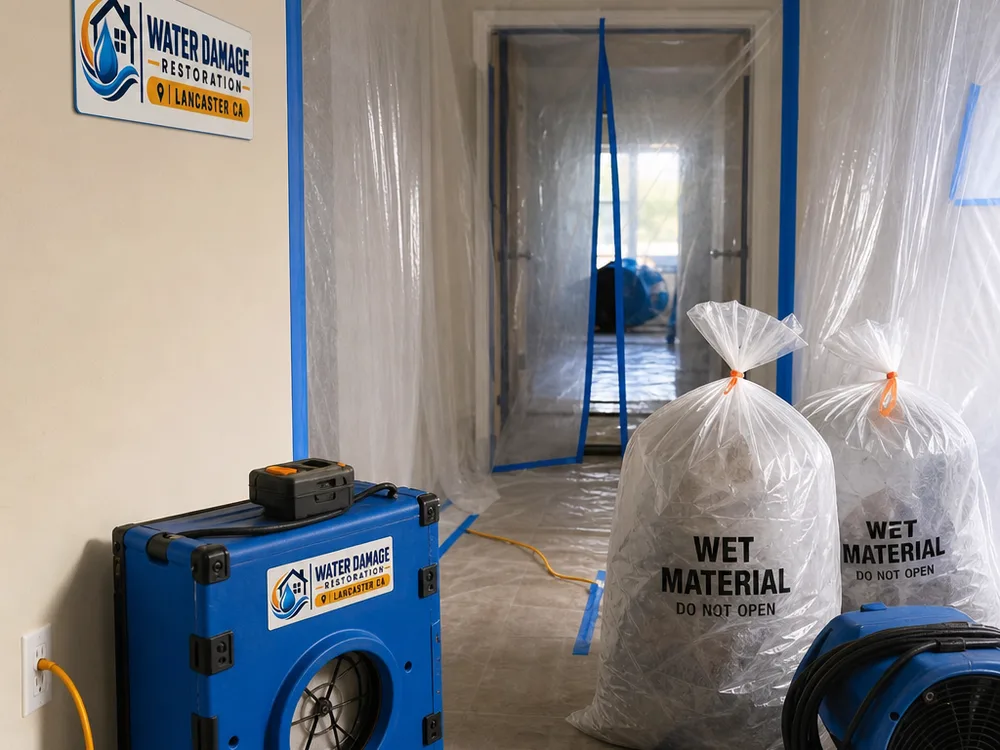
Dust control, floor protection, and isolation help keep the rest of the home livable when practical and reduce cross-contamination.
Air movers, dehumidifiers, and controlled airflow are set to match what is wet, not just the room size, with monitoring and adjustments as conditions change.
Photos, readings, and notes are organized so the claim file shows what happened, what was done, and why it was necessary.
Once the structure is dry and stable, we help move the project into repairs so you are not left managing multiple trades with gaps between steps.
Start with safety. If there is standing water near outlets, sagging ceilings, or an unknown source, keep people out of the area and shut off power to affected zones if you can do so safely.
Then limit spread. If the source is a supply line or fixture, shut off the water. Move small items off wet flooring, and place towels at thresholds to slow migration into bedrooms or closets. Avoid running household fans directly at suspected contaminated water.
Finally, schedule an inspection quickly. The sooner drying is started and documented, the more likely you can save materials like framing, subfloor, and some types of flooring. We arrive ready to assess, extract, set containment if needed, and start a monitored drying plan.
Local note: Lancaster's dry air can make surfaces feel dry while moisture remains trapped in drywall, insulation, and cabinet toe-kicks. That is why readings and follow-up checks matter as much as the initial extraction.
A documented sequence takes the property from initial inspection through verified drying, cleanup, and coordinated repairs.
We confirm the source and category of loss, map moisture migration, and identify materials at risk. You get a clear plan for what happens next.
We extract standing water, remove saturated contents when necessary, and set safety measures like containment, floor protection, and controlled access routes.
Equipment is set based on what is wet and how air can move through the structure. We monitor readings and adjust placement until target areas test dry.
After drying, we address residues, staining risks, and odors using appropriate cleaning methods for the affected materials and the water source involved.
When the space is dry and stable, we coordinate repairs so the property can return to normal use. We review completed areas with you and confirm any remaining next steps.
Restoration work in Lancaster typically ranges from about $1,500 to $6,500 for smaller, contained losses, while larger losses with multi-room drying, demolition, and rebuild coordination can run $8,000 to $25,000+. Costs move most with how far water traveled, how long materials stayed wet, the type of flooring and cabinets involved, access to affected areas, and whether drywall or insulation must be removed. The exact cost is confirmed after an on-site inspection and moisture mapping, once the scope can be written accurately.
Request Emergency Service“They showed me exactly where the moisture had traveled and why some drywall had to come out. The drying setup was monitored, and the updates made it easy to understand what was happening day to day.”
“What I appreciated most was the documentation. The photos and readings matched what the adjuster asked for, and the repair plan was clear once everything tested dry.”
Restoration should start as soon as access is available, ideally the same day, because the first 24 to 48 hours often decides what materials can be saved. Even in Lancaster's drier conditions, moisture can stay trapped behind baseboards, under flooring, and inside cabinets, so early inspection and equipment placement prevents hidden damage from expanding.
Some materials can be dried in place, but others need removal when they are saturated, delaminating, or blocking airflow. The decision is based on moisture readings, material type, and how water moved through the assembly. We explain what can be saved and what must come out before any major tear-out begins.
Many drying phases take about 3 to 5 days, but timing depends on how wet the structure is, what materials are involved, and whether the affected areas are enclosed. We monitor conditions and adjust equipment placement, then verify dryness with readings before moving into repairs.
Yes. We provide photos, moisture readings, and a written scope that explains what was affected and why each step was performed. That documentation is what an adjuster typically needs to understand mitigation, drying time, and necessary removal of damaged materials.
Yes, but the odor source has to be addressed first, not masked. Odors often come from damp building materials, residues left behind, or moisture still trapped in cavities. After drying and any required removal, we use appropriate cleaning and deodorizing methods based on what was affected and the type of water involved.
We serve Lancaster, CA 93539 and surrounding areas, including typical residential neighborhoods, rental properties, and light commercial spaces. If you are unsure whether your address is within our service area, reach out with the location and a short description of the damage so we can confirm scheduling and access needs.
Tell us what happened and what areas are affected. We will schedule an on-site inspection, explain the next steps, and provide documentation that helps you move the project from cleanup to repairs without delays.